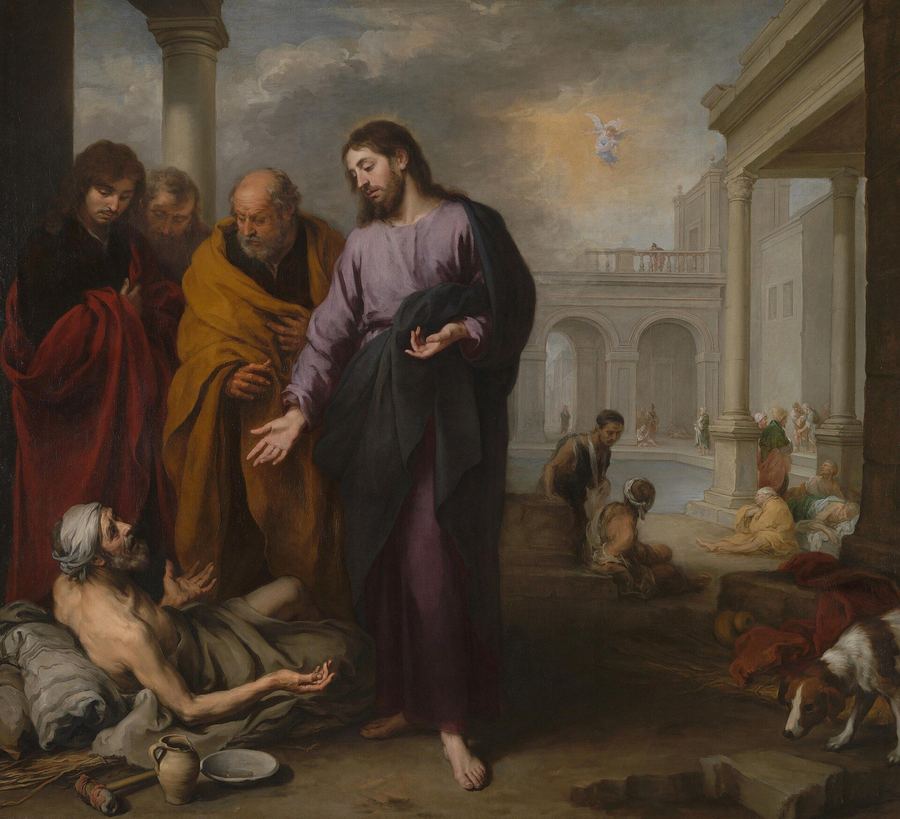
Corporal worksChrist Healing the Paralytic · Murillo
- Feed the hungry
- Give drink to the thirsty
- Clothe the naked
- Shelter the homeless
- Visit the sick
- Visit the imprisoned
- Bury the dead
Whether you are new to the Church, preparing for a sacrament or simply want to know more, here are the essentials of Catholic life and worship.
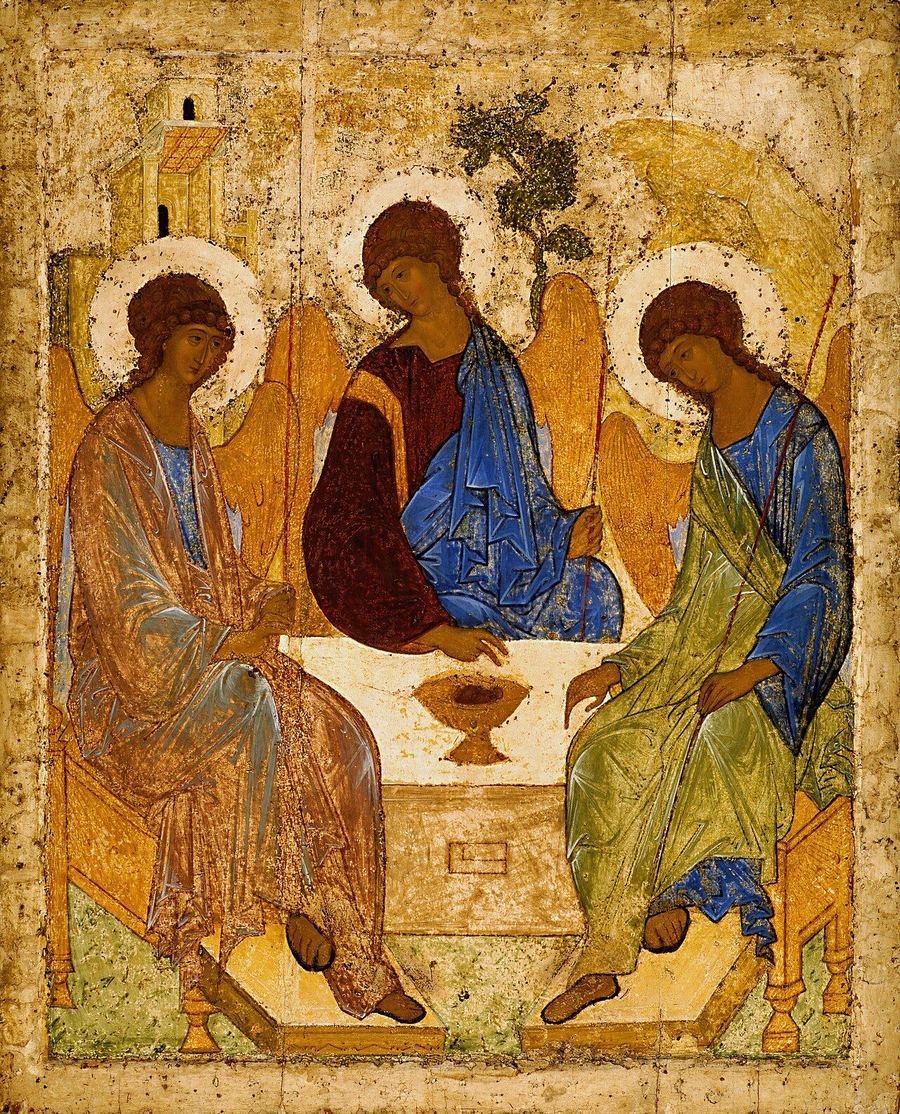
One God in three Persons: Father, Son and Holy Spirit. Everything we believe and every prayer we pray begins in the name of the Trinity.
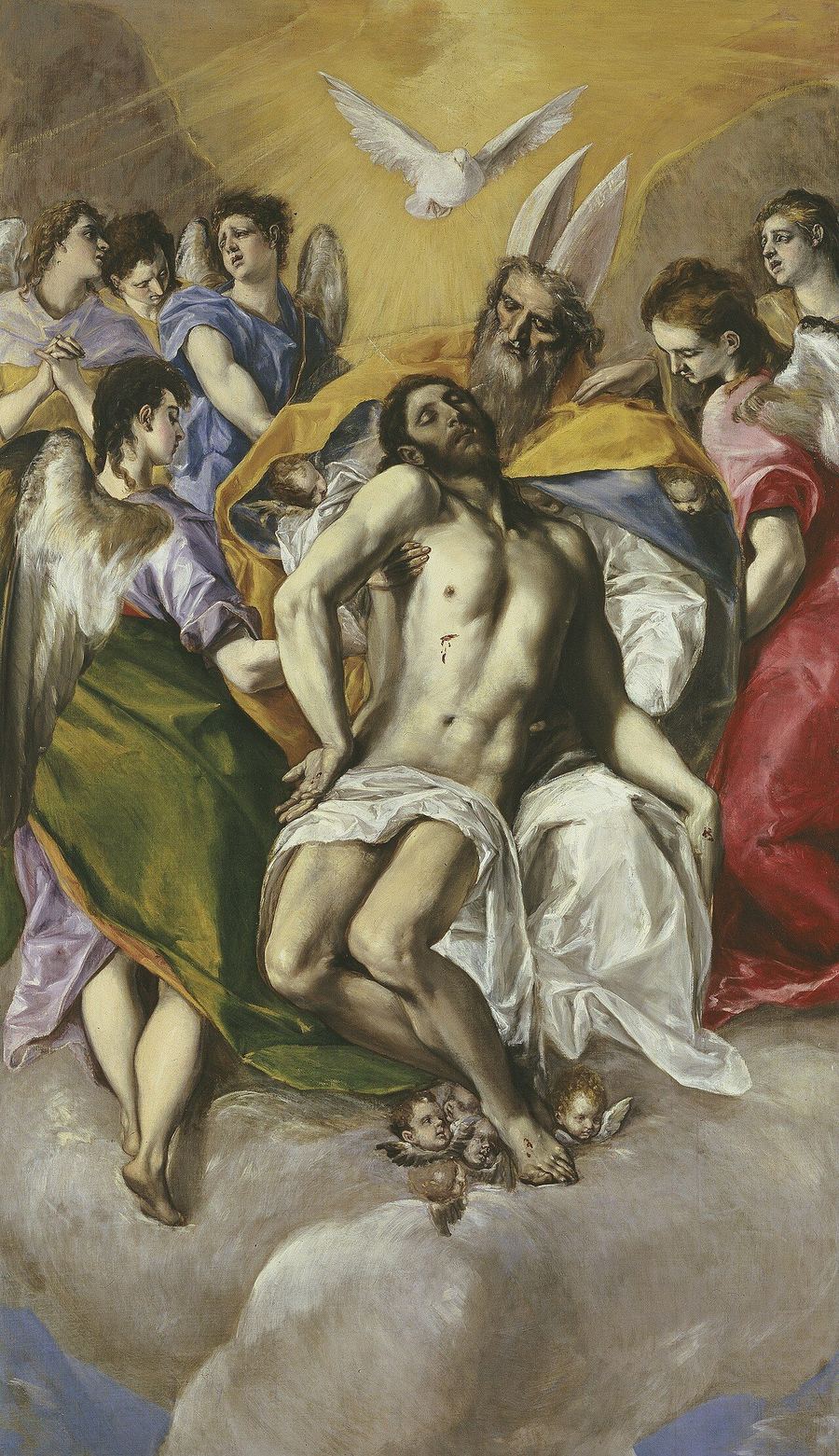
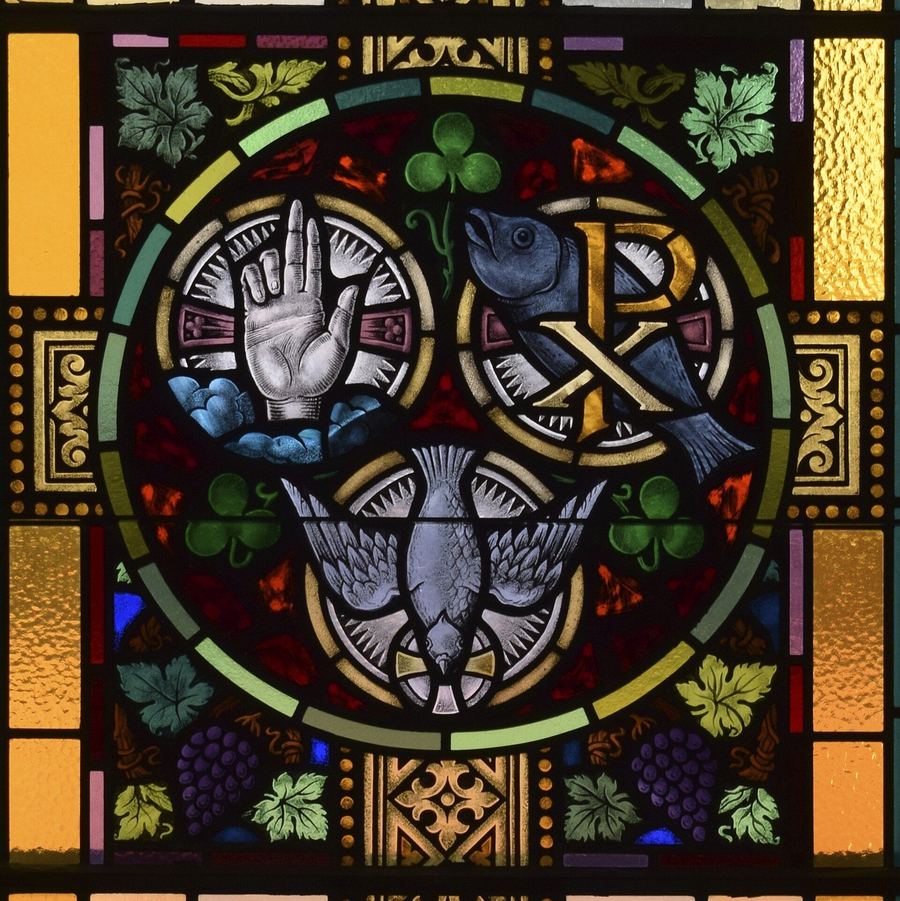
Glory BeGlory be to the Father, and to the Son, and to the Holy Spirit; as it was in the beginning, is now, and ever shall be, world without end. Amen.
Pick a topic. Looking for prayers? They're on the Pray page.
At every Mass, Jesus’ one sacrifice on the Cross is made present on the altar, and we receive Him in Holy Communion. The Church calls the Eucharist “the source and summit of the Christian life”.
Catholics attend Mass every Sunday (or the Saturday Vigil) and on holy days. A Sunday Mass lasts about an hour. Below is every step, in order, with what to do and what to say.
We gather as one family and prepare our hearts to meet God.
As we sing the entrance hymn, the priest, deacon and servers process to the altar. The priest kisses the altar, the place where Christ’s sacrifice will be made present.
We begin as our Christian life began at Baptism: in the name of the Father, the Son and the Holy Spirit. The priest then greets us as God’s gathered people.
We pause to remember our sins and ask God’s mercy, often praying the “I confess” together, so that we can celebrate with a clean heart.
An ancient hymn of praise that begins with the song of the angels at Bethlehem. It is sung on Sundays, except in Advent and Lent, and on feast days.
The priest says “Let us pray”. After a moment of silence, in which we bring our own intentions, he “collects” them into one prayer to the Father.
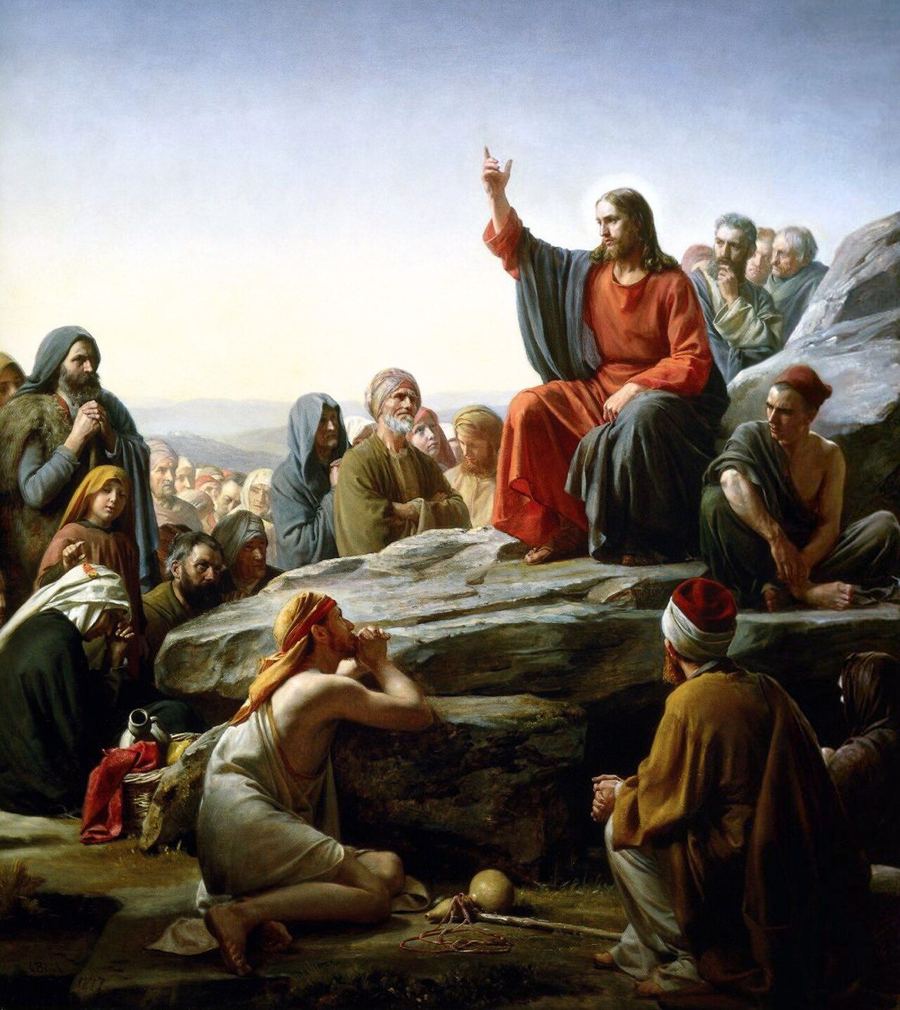
God speaks to us through the Scriptures, and we respond in faith.
Usually from the Old Testament (from the Acts of the Apostles in Eastertide), chosen to connect with the Gospel of the day.
We pray one of the Psalms, the Bible’s own book of prayer, repeating its short response after each verse.
On Sundays and solemnities, usually from a letter of St Paul or another apostle to the first Christians.
We stand to welcome Christ, who speaks to us in the Gospel, and sing Alleluia. In Lent, another acclamation replaces the Alleluia.
The words and deeds of Jesus, proclaimed by the priest or deacon. We trace a small cross on our forehead, lips and heart, asking that God’s Word be in our minds, on our lips and in our hearts.
The priest or deacon opens up the readings and helps us see how to live them in the week ahead.
On Sundays and solemnities we pray the Creed together, summing up everything we believe. We bow at the words about Jesus becoming man.
The Prayer of the Faithful: we pray for the Church, the world, the sick, those who have died and our own parish.
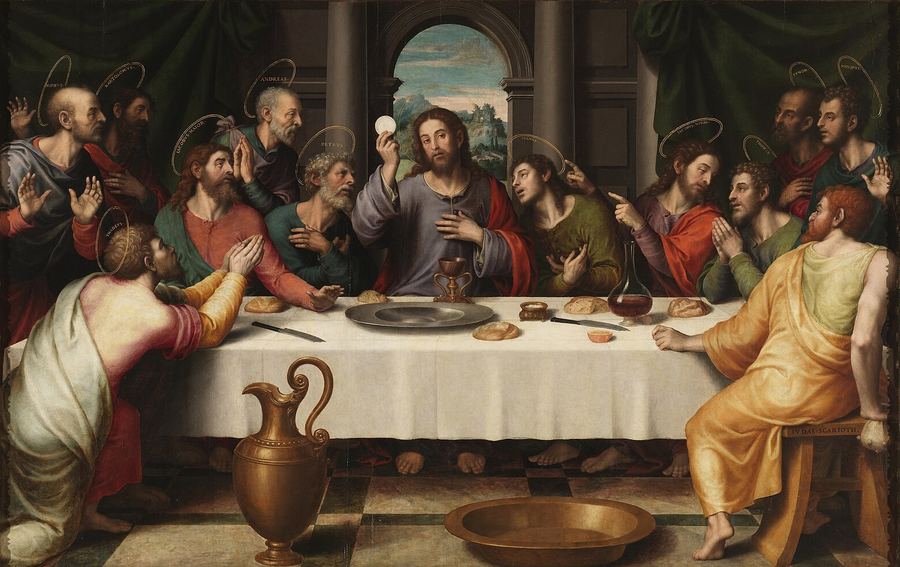
Bread and wine become the Body and Blood of Christ, offered for us.
The collection is taken, and bread and wine are brought to the altar. The priest prepares them and washes his hands, praying to be made pure.
The priest invites us to pray that our sacrifice, joined to Christ’s, will be acceptable to the Father.
The great Eucharistic Prayer of thanksgiving begins. We lift our hearts to God and join the angels and saints in their hymn of praise.
The heart of the Mass. The priest repeats the words of Jesus at the Last Supper, and by the power of the Holy Spirit the bread and wine become the Body and Blood of Christ. He raises the Host and then the chalice for us to adore.
We proclaim the death and resurrection of Jesus, made present on the altar.
The Eucharistic Prayer ends with praise of the Holy Trinity, and we answer with the most important “Amen” of the Mass: our yes to all that has been prayed.
We prepare for and receive Jesus in Holy Communion.
We pray together the prayer Jesus himself taught us, asking for our daily bread.
We offer those around us a sign of Christ’s peace, usually a handshake.
As the priest breaks the Host, we pray to Jesus, the Lamb of God who takes away the sins of the world. We kneel when it ends.
The priest shows us the Body of Christ. We answer humbly, using the words of the Roman centurion in the Gospel (Matthew 8:8).
We come forward to receive Jesus, bowing our head before receiving, on the tongue or in the hand. Not receiving Communion? Come forward with your arms crossed over your chest for a blessing.
Back in our place we spend a few moments in silent thanksgiving with Jesus. Then we stand as the priest says the closing prayer.
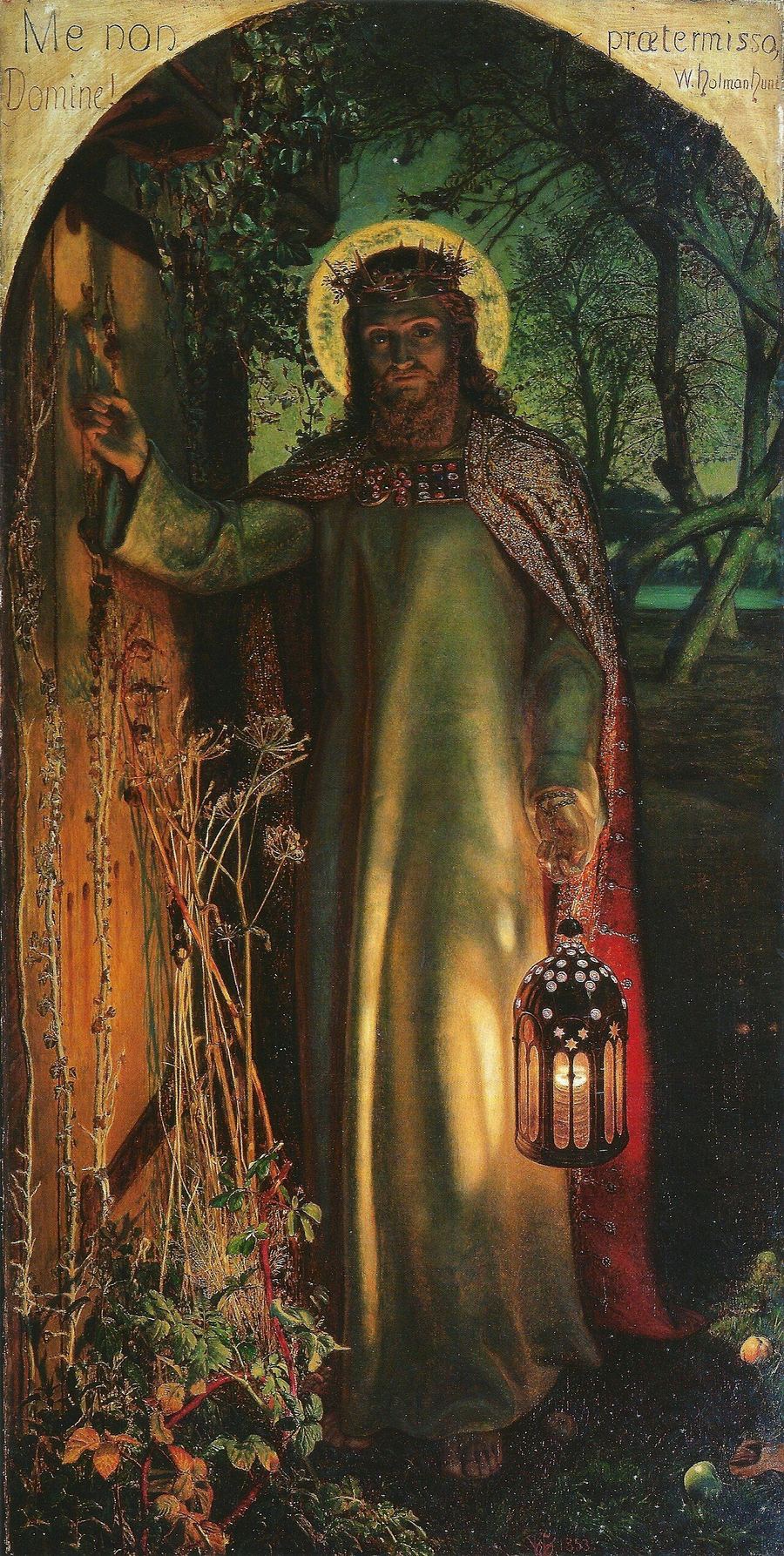
We are blessed and sent out to bring Christ to the world.
Parish news, notices and events for the week ahead.
The priest blesses us in the name of the Holy Trinity, and we make the Sign of the Cross.
We are sent out to live what we have received. The word “Mass” comes from this moment: the Latin missa means “sent”.
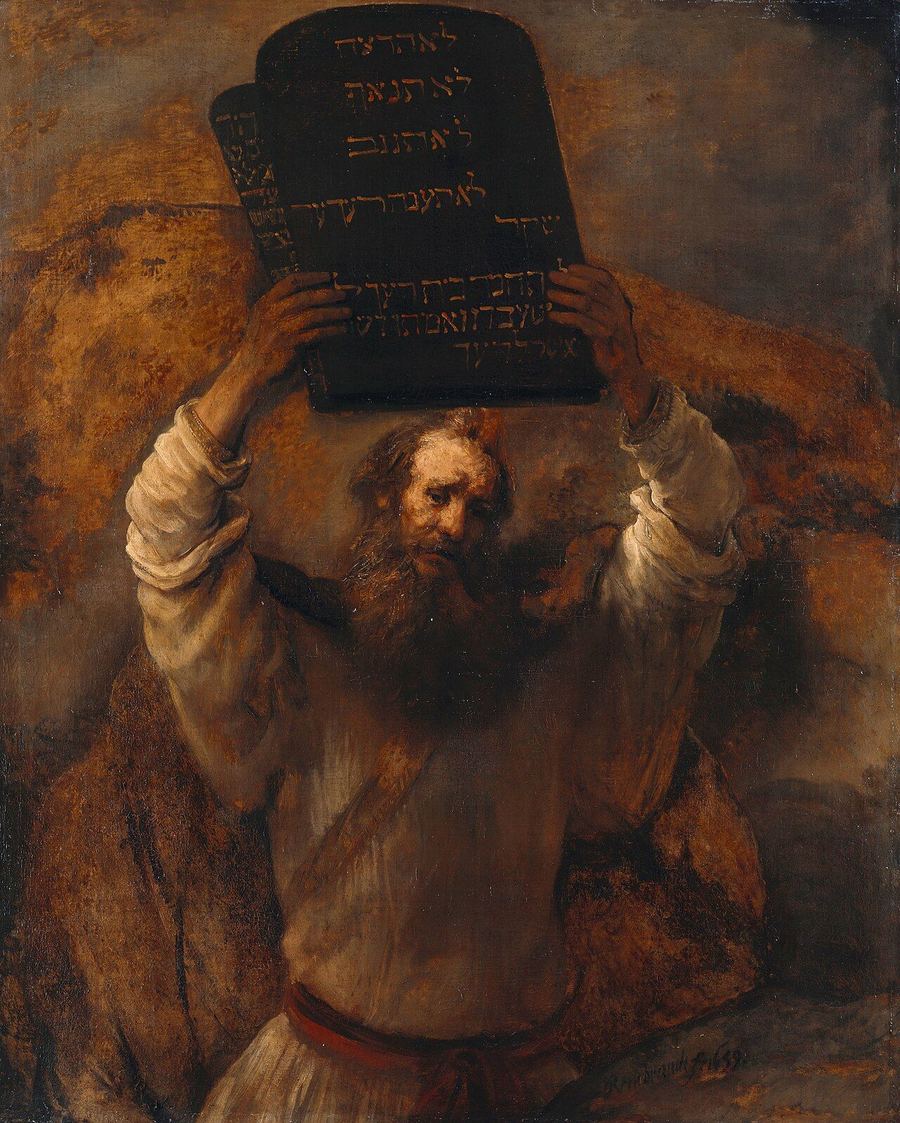
“As you did it to one of the least of these, you did it to me.” Matthew 25:40
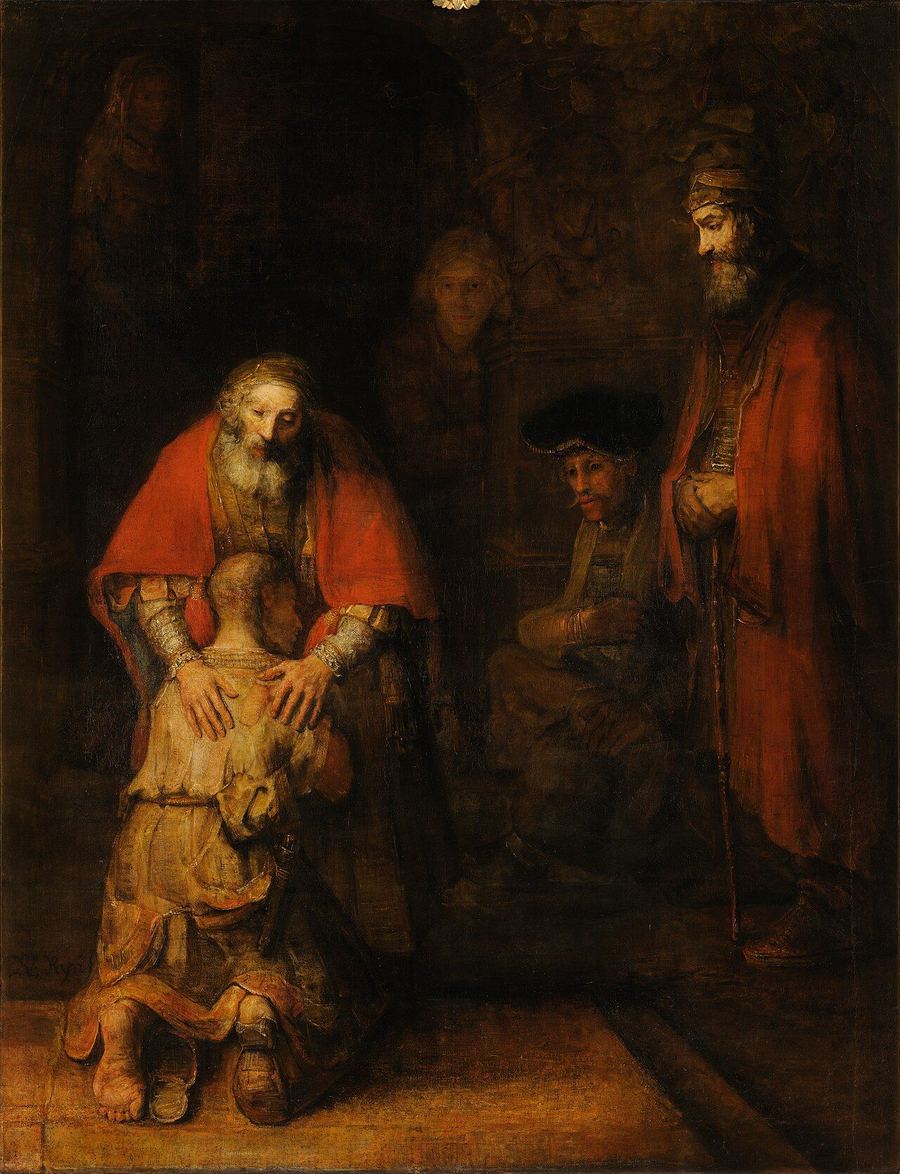
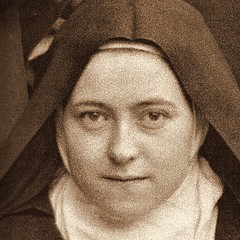
What you'll see when you visit St Thérèse, and what it means.
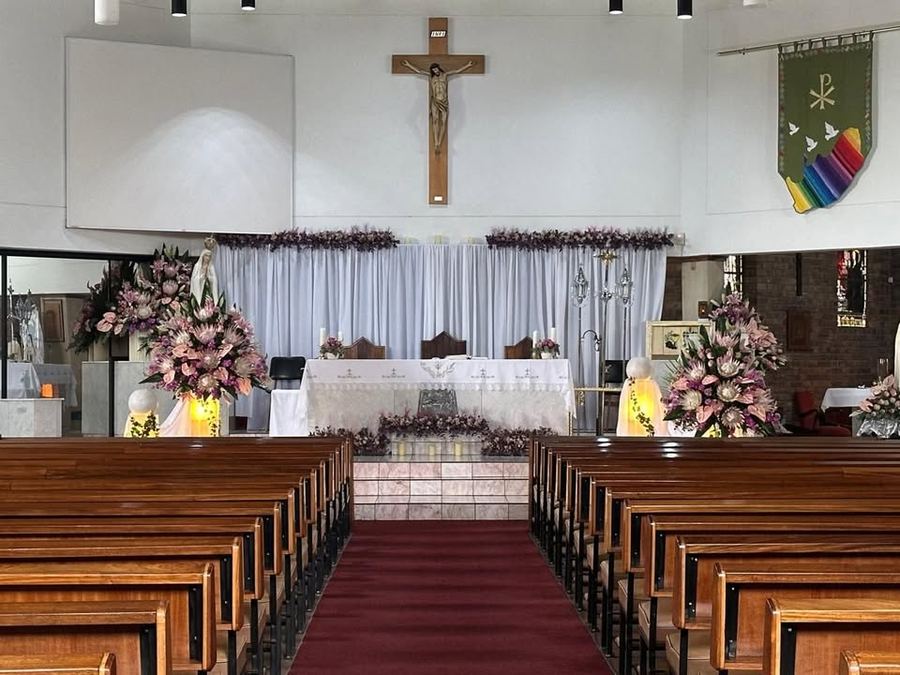
Where Jesus is present in the Blessed Sacrament. A lamp burns beside it.
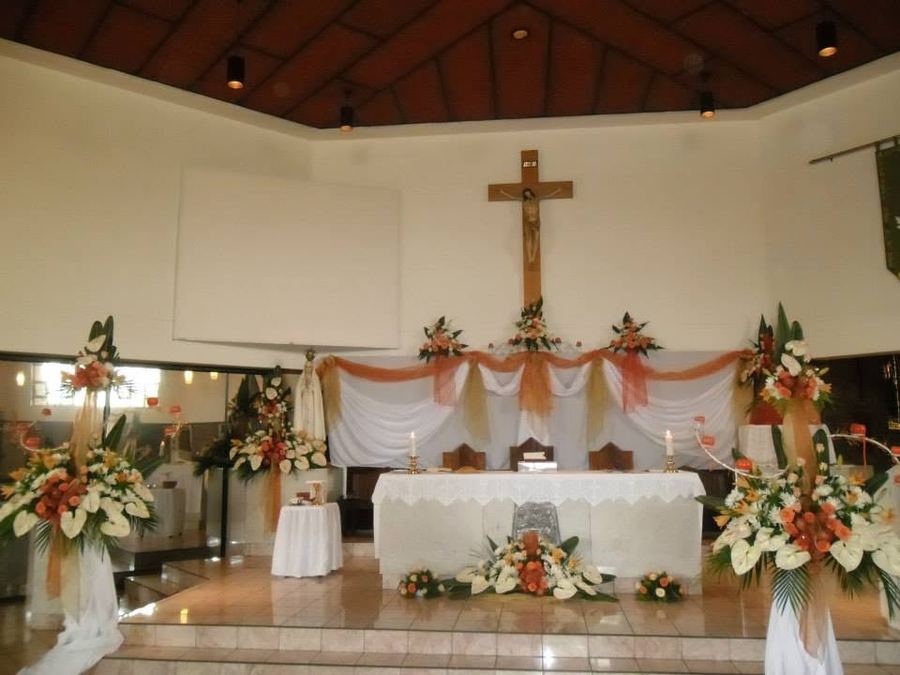
The table of the Lord's sacrifice, the heart of the church.
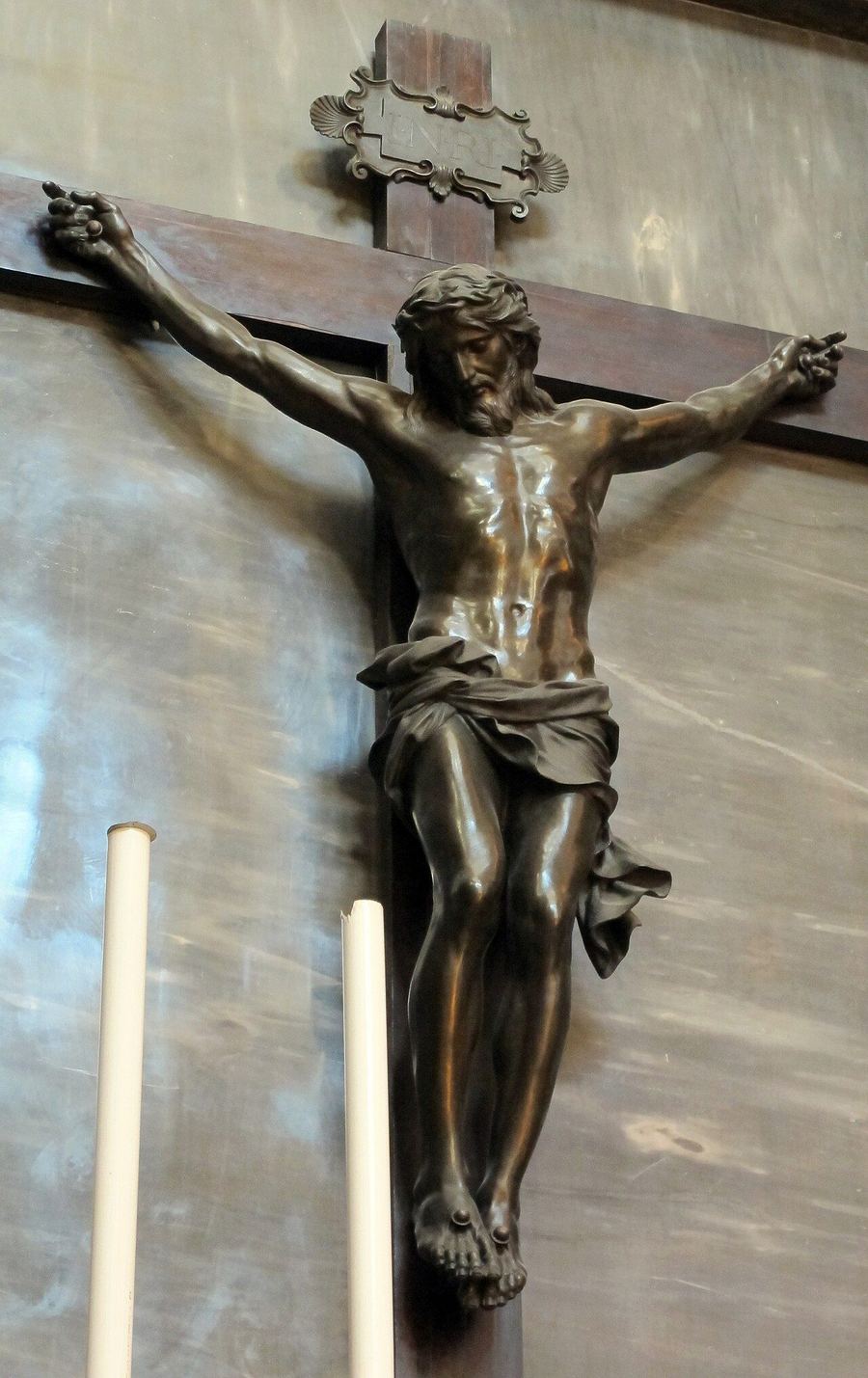
Christ's love, given for us on the Cross.
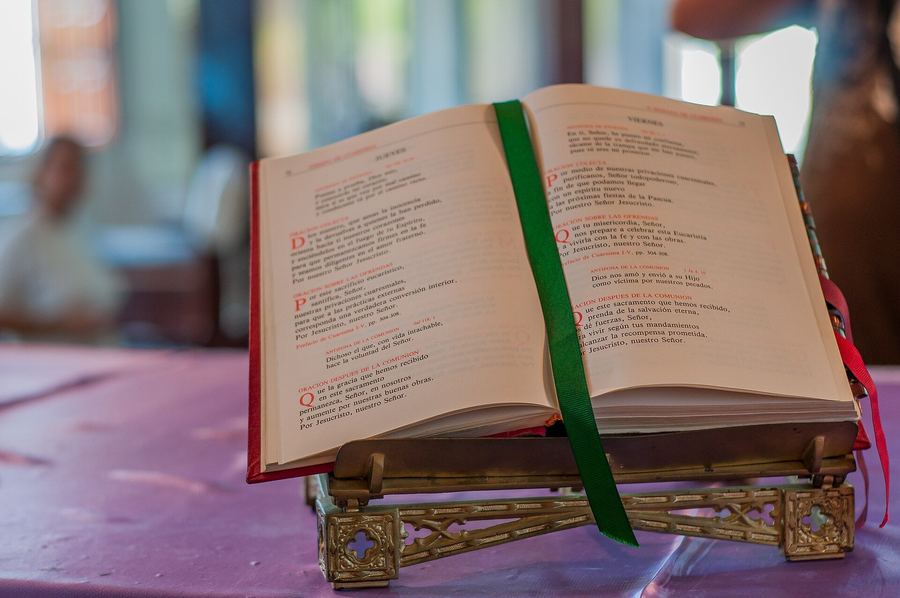
Where the Word of God is proclaimed.
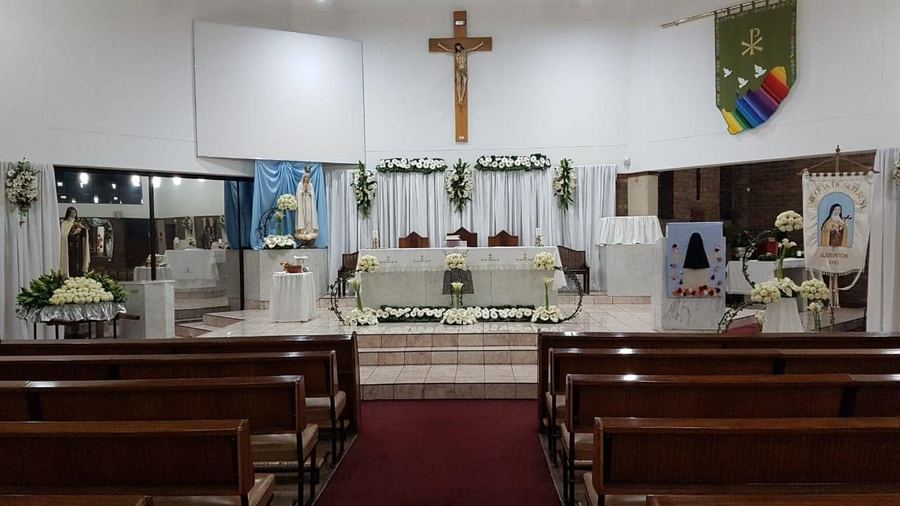
At the doors. Blessing ourselves recalls our Baptism.
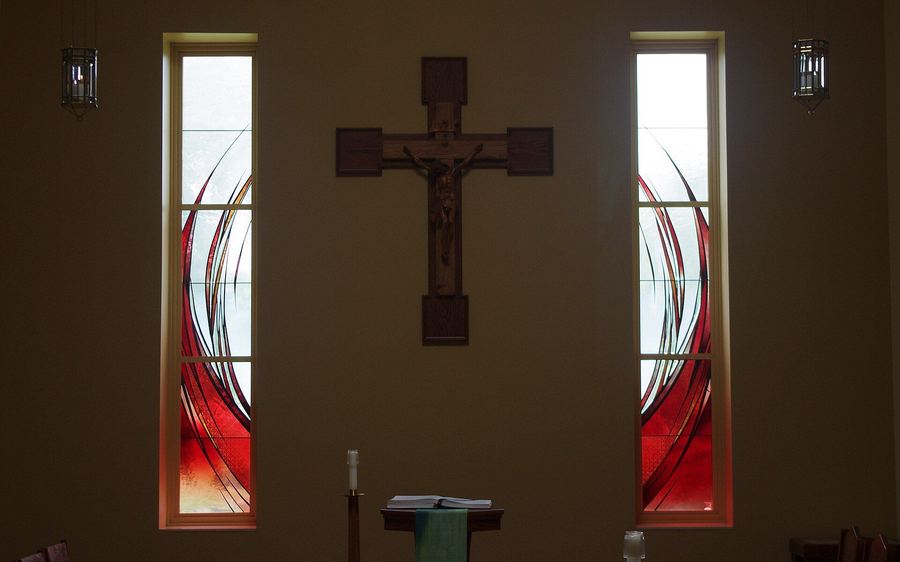
Fourteen scenes of Jesus' road to Calvary.
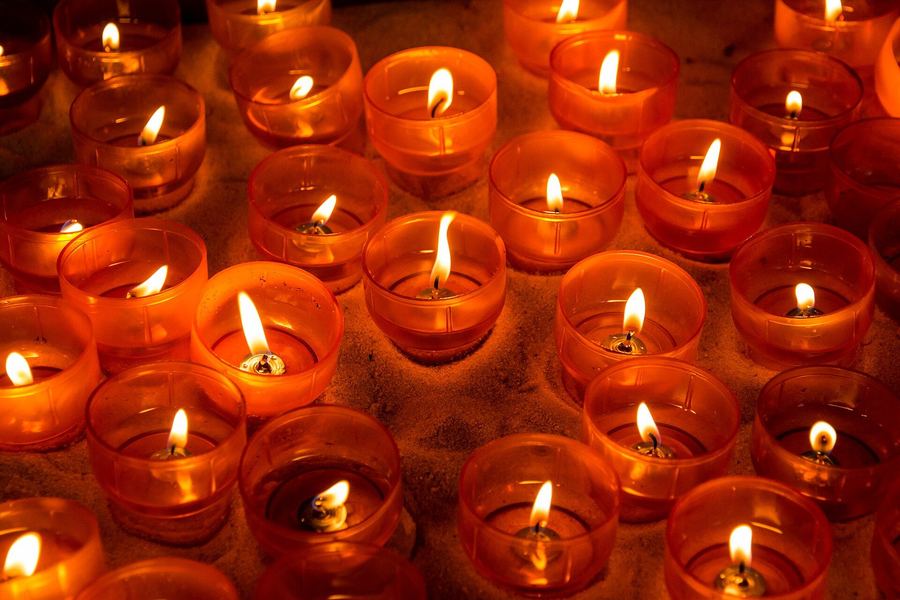
A prayer that keeps burning after we leave.
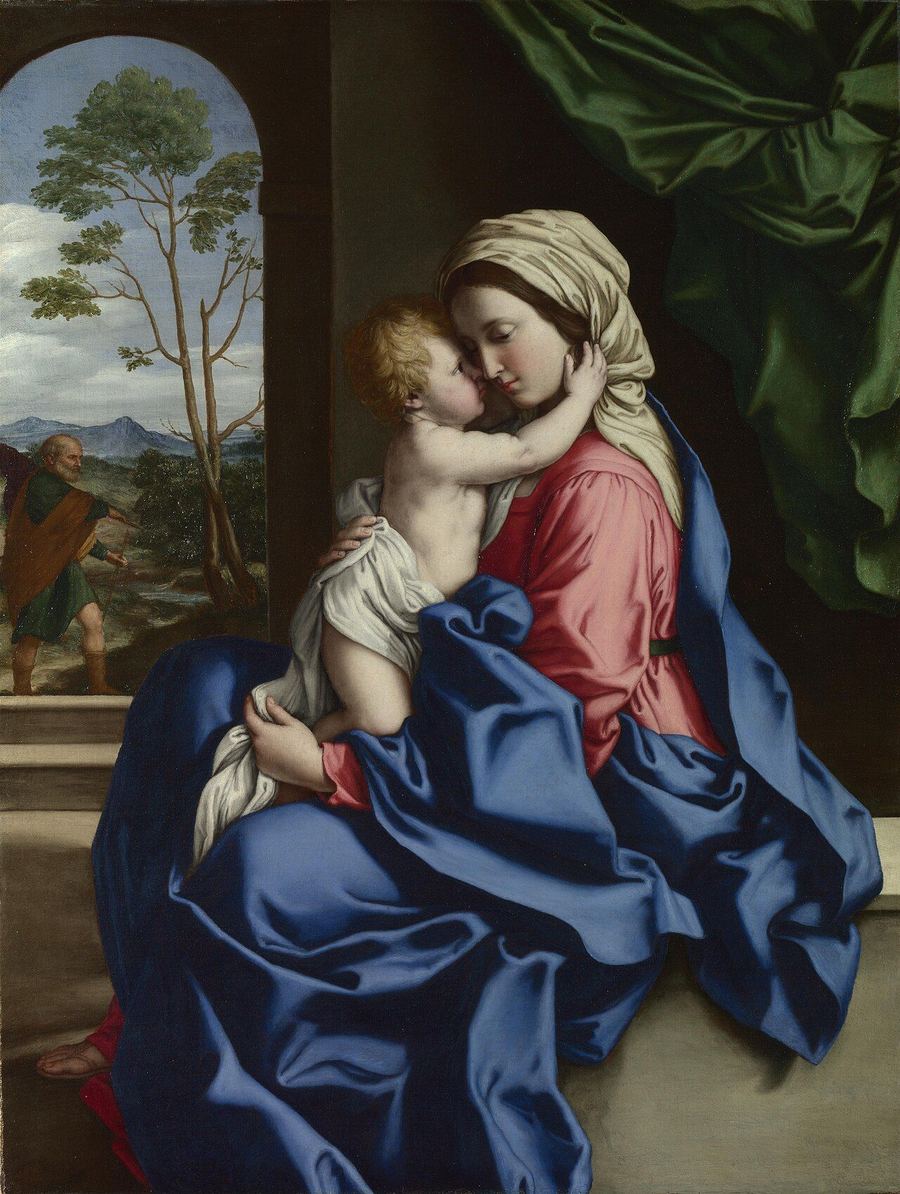
Mary and the saints, our friends in heaven.